

Editor’s note: On May 29, 2026, the Global Investment Summit took place during BEYOND Expo 2026, Macao.
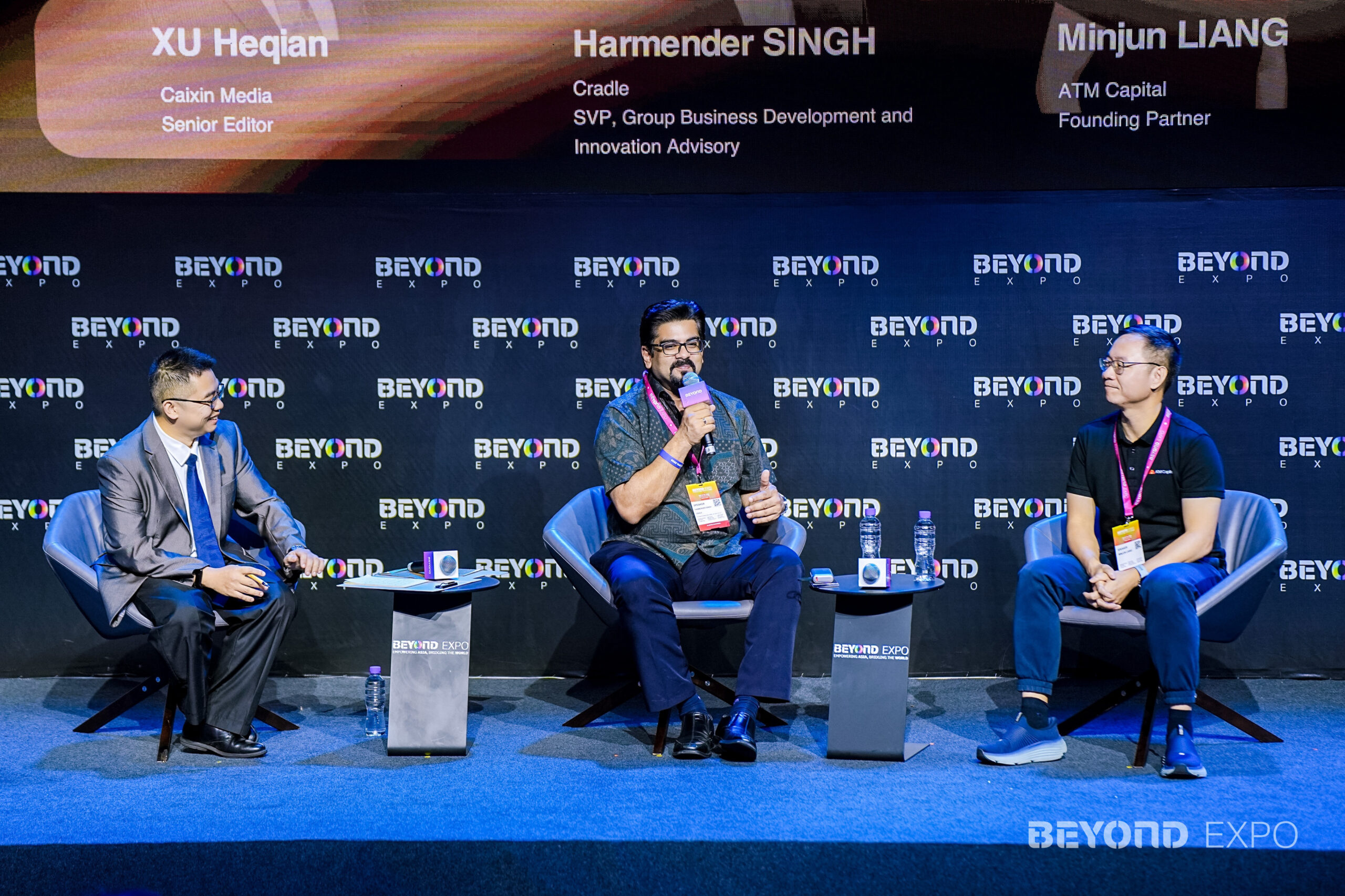
The panel “Finding the Next World Champion from the Global South” featured Harmender Singh, SVP (Group Business Development & Innovation Advisory), Cradle Fund; and Minjun Liang, Founding Partner, ATM Capital. The panel focused on the reforming of globalization, including capital and R&D flowed from the West into Asia toward the South-South pathways, with Chinese capital, talent, and companies increasingly routing through Southeast Asia before reaching the United States or Europe.
Major examples include BYD and other Chinese firms investing in Indonesia and Thailand, local Southeast Asian talents rising into senior roles at companies like J&T Express. Both speakers also made predictions for 2030s, expressing optimism that deepening China-Southeast Asia ties, AI-driven ecosystems, and a focus on higher-value innovation, rather than cheap labor, will define the region’s path toward producing the world’s next breakout champions.
The text below has been edited for clarity and brevity:
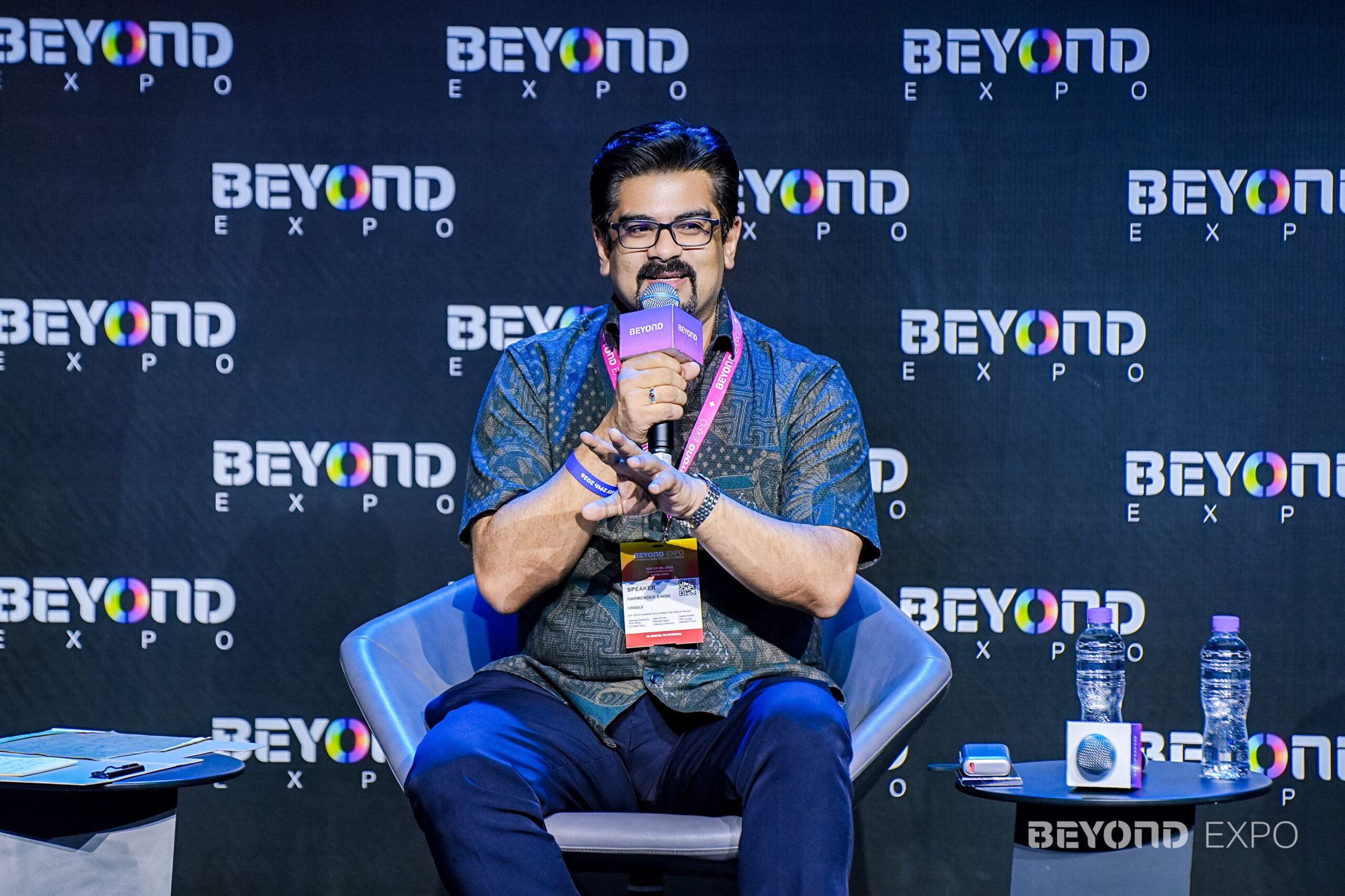
Harmender Singh, SVP (Group Business Development & Innovation Advisory), Cradle Fund, Malaysia:
The Global South has always had talent — but it used to be exported north, especially to the United States. But what’s changed is that an alliance of infrastructure is now being built within developing countries themselves, policies have shifted to allow things that weren’t possible before, and real R&D money is pouring into new areas of focus.
With that in place, talent is now flowing back into the Global South and building ecosystems within these cities. Value creation is critical, because you can’t compete on price or cost-cutting forever. If the Global South is going to advance further, it has to produce real results beyond cheap labor and manufacturing, it has to move up the value chain.
It’s a dual-flow mechanism: The United States and European markets still exist, but now a “South” market exists too.
Outlook for 2030s
The future isn’t really about restarting manufacturing from scratch. Those who “missed the boat” can use these tools to shorten the timeframe and enter markets much faster. Digitization is the name of the game, and how quickly and correctly you optimize around it will dictate your level of market influence, especially since most young digital and mobile consumers are now the core of the market.
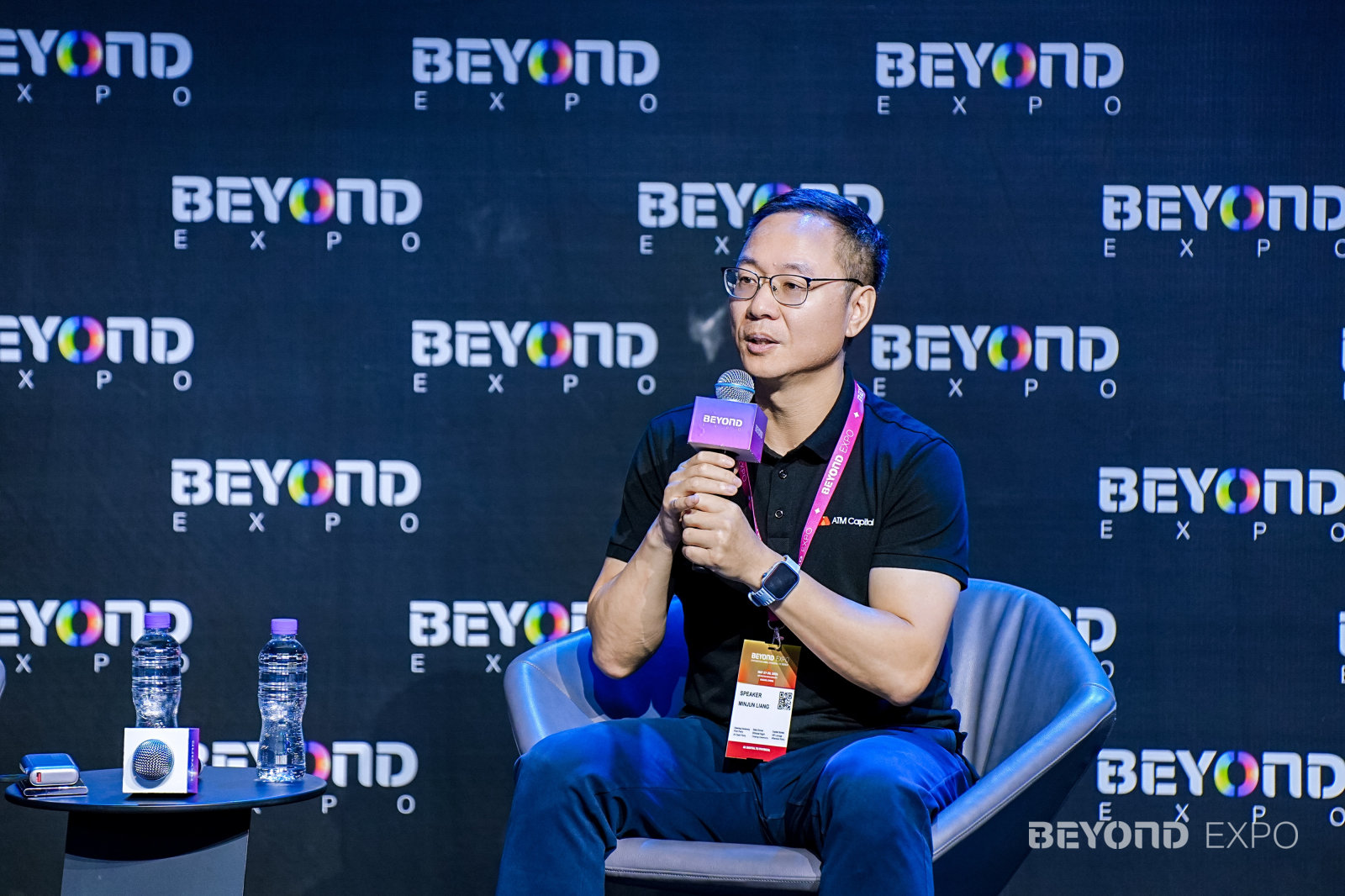
Minjun Liang, Founding Partner, ATM Capital:
On South-South cooperation, one trend is very significant: large Chinese companies are investing more in other emerging markets, especially Southeast Asia. BYD has invested heavily in Indonesia and Thailand. We’re also seeing this new generation of Chinese global companies draw on talent from Southeast Asia and elsewhere. For example, at J&T Express, some senior managers come from Southeast Asia, and they’re now able to manage operations in other countries too.
And it’s not a one-way flow: Chinese companies are increasingly learning on materials and design ideas from other countries to bring fresh innovation back into the Chinese market, even something like Thai-style milk tea or coffee is now popular in China.
Overall, South-South connections are strengthening, and I expect this trend to continue.
For Chinese enterprises expanding to Southeast Asia, I think the core mistake is treating the destination market like the China market. China is one large, unified market, but Southeast Asia is a collection of very different countries and cultures. So the most important lesson is to respect the local market and have a long-term mindset.
Outlook for 2030s
Human development never stands still. Looking back over the past 100 years, technology has accelerated, not slowed down. The internet took about 20 years to spread across the world, but AI has achieved something similar in just a few years.
Chinese companies are expanding their networks into more regions, which also brings resources and partnerships that help other countries develop. We’ve already seen this play out across Southeast Asia, and I believe it will only get stronger.
In 10 years, I expect to see a lot more robots around us, self-driving cars common on the streets, and maybe even travel to the moon within the next ten years. I’m optimistic about technology’s trajectory, and I believe the connections between China, Southeast Asia, and other developing countries will only grow closer.