

The ideas are not the problem
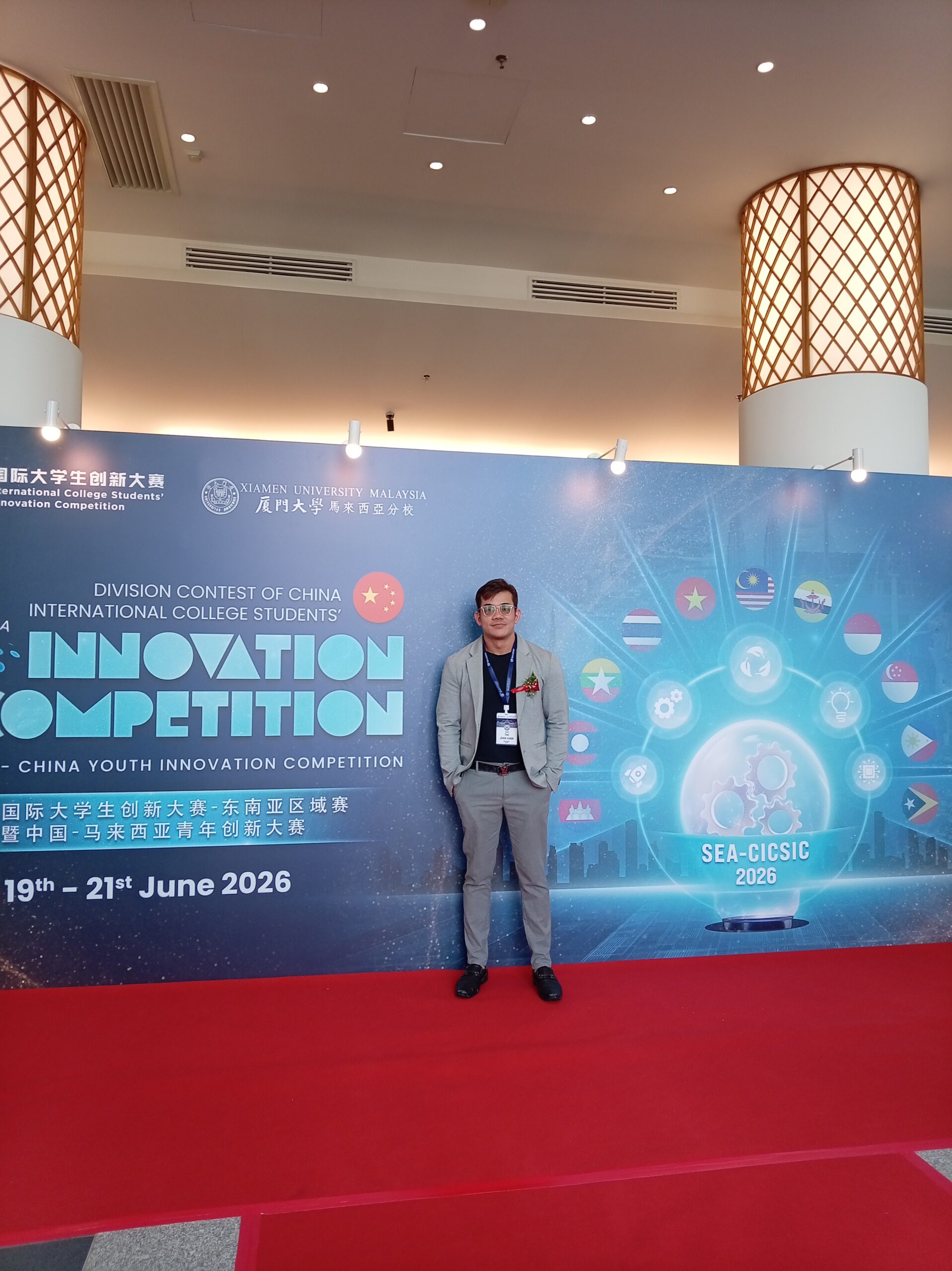
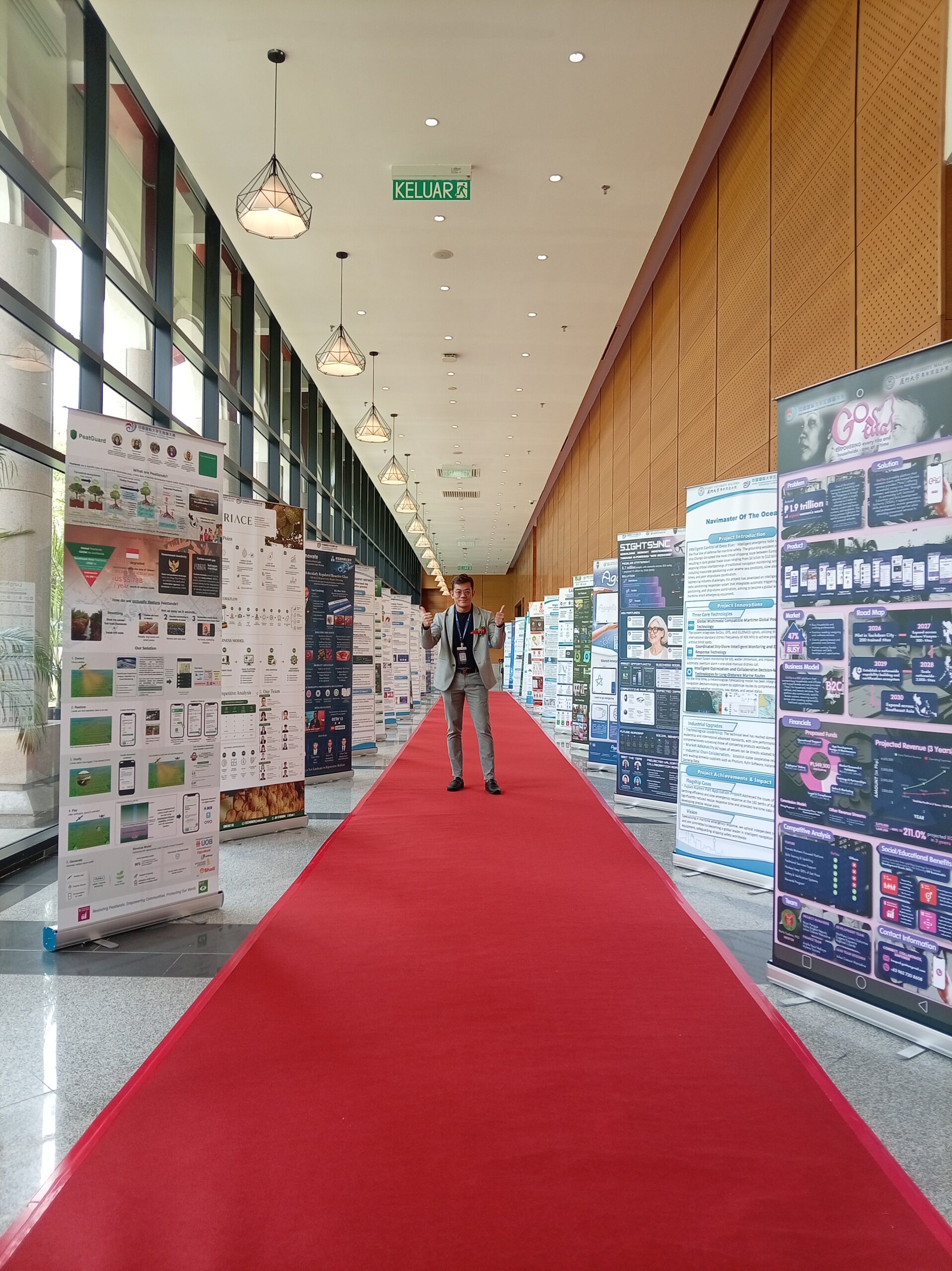
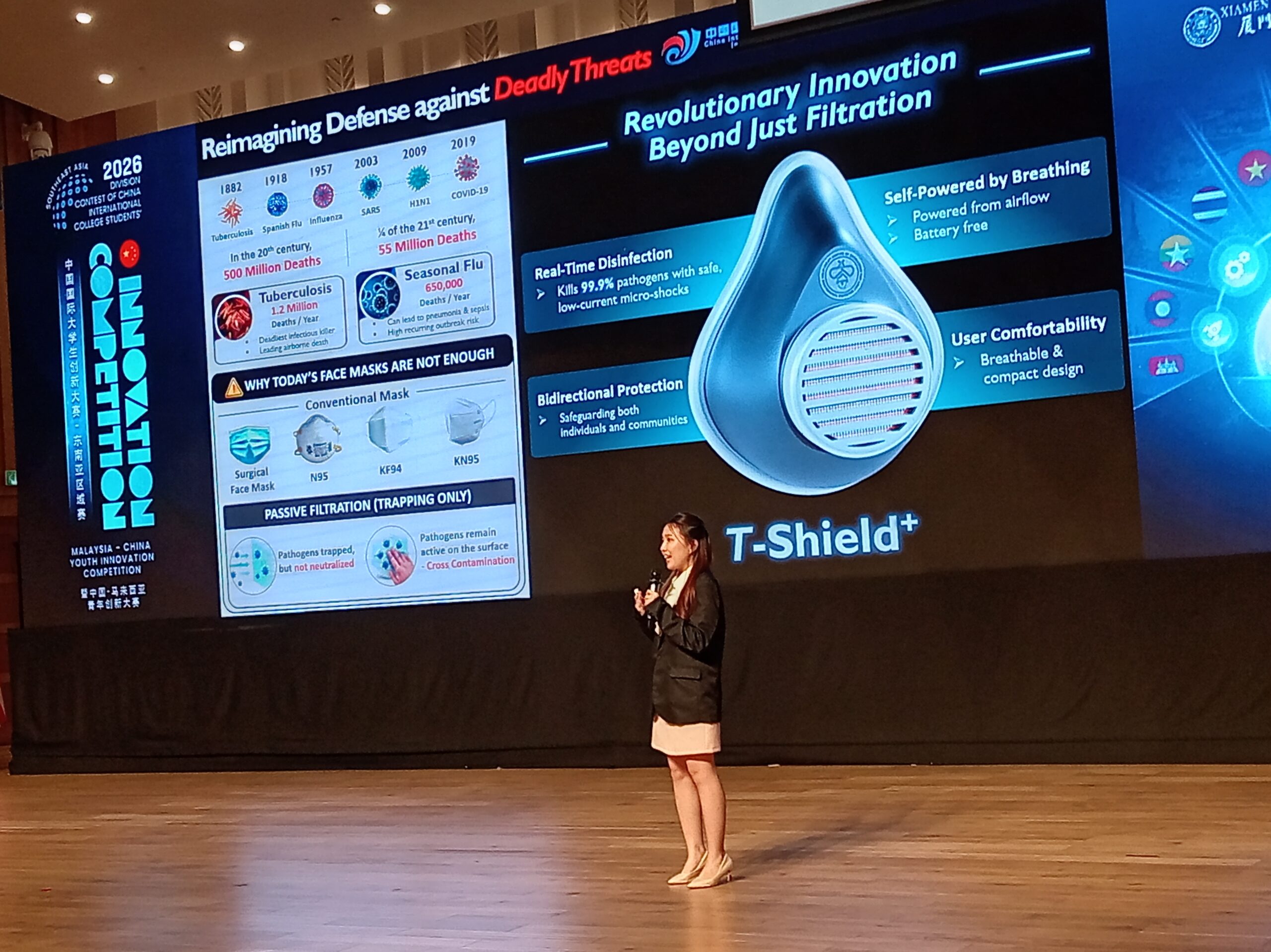
While judging the SEA CICSIC Innovation Competition at Xiamen University Malaysia last week, I kept thinking about how much energy and problem-solving was sitting in that room. The projects covered a wide range of sectors, from healthcare and industrial safety to maritime systems and AI, but what stood out was not just the variety. It was the fact that many of these students were already trying to solve practical business problems that companies themselves are still figuring out.
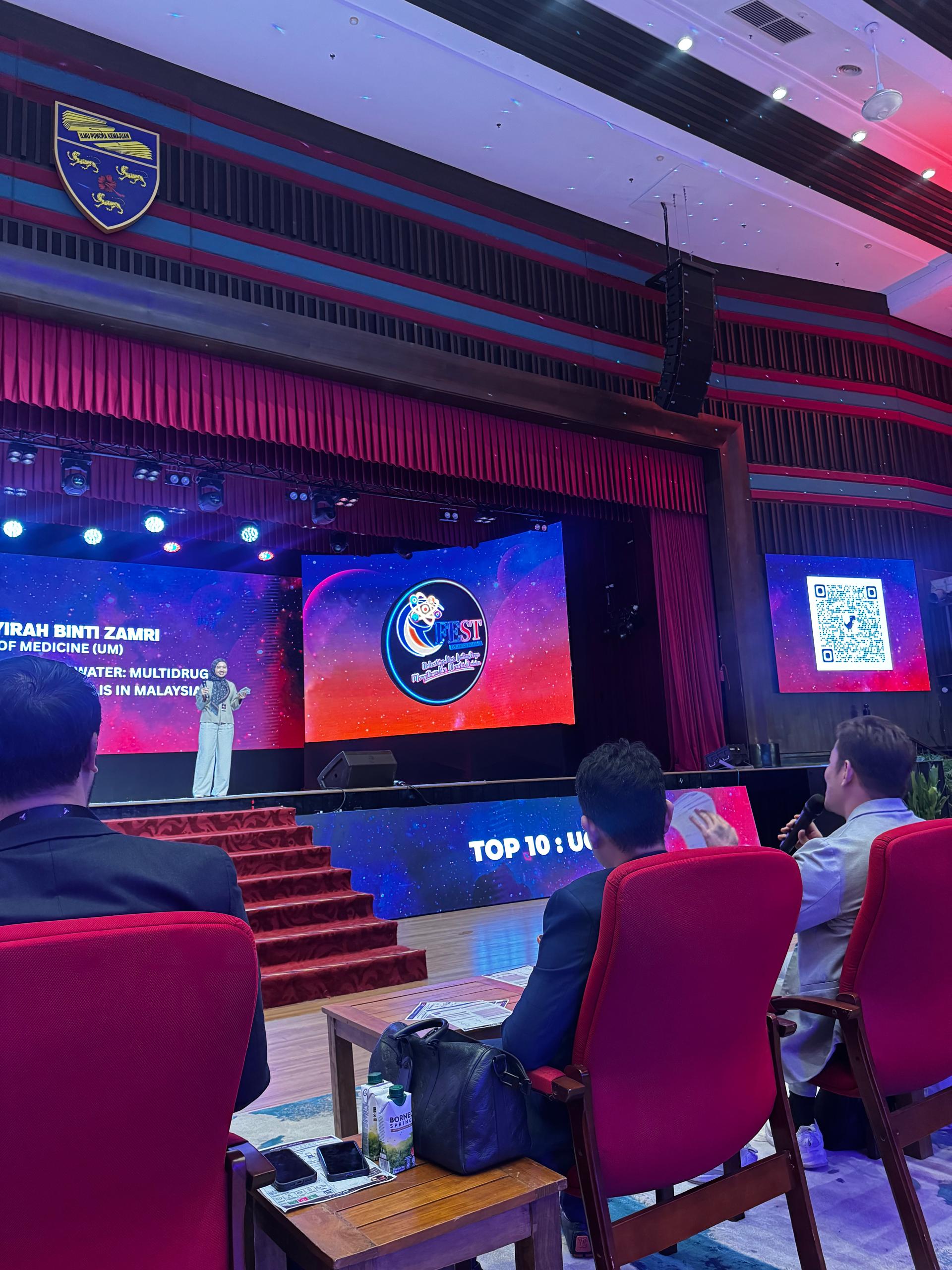
It reminded me of a similar experience a few weeks earlier while judging final year projects at Universiti Malaya iFEST. Although the setting was different, the pattern felt familiar. Students were not just building for grades or academic completion. Many were responding to visible inefficiencies, outdated systems, and operational frustrations that exist in the real market. Looking across both experiences, one thing became increasingly obvious to me: Asia is not short of ideas. In fact, there may be more ideas today than ever before. The bigger issue is what happens to those ideas once they are built.
Where good ideas usually stop
This is where the real weakness starts to show. Universities across Asia generate thousands of prototypes every year. Some are rough, some are impractical, but some are genuinely strong and commercially relevant. Yet most of them never move beyond the campus. They are presented once, assessed once, and then left behind as students move on.
This is not an innovation problem. It is a transfer problem.
There is often no system to move a promising idea from prototype into pilot, or from pilot into something that can be tested in the market. The gap between academia and industry remains too wide, and because of that, a lot of useful work simply disappears. This is where value is lost, not because the ideas were weak, but because there was no pathway to carry them forward.
Why companies are looking too late
For many companies, universities are still seen mainly as places to hire talent. The relationship usually starts at graduation, when students are ready to enter the workforce. That has been the normal model for years, but it may no longer be enough.
By focusing only on hiring, companies are often entering the process too late. They get the people, but they miss the thinking that happened before.
Inside large organizations, innovation is expensive because uncertainty is expensive. Every new idea needs approval, budget, and time. It also has to compete against business targets and operational priorities. In many cases, the safest decision is to delay or avoid experimentation altogether.
Universities operate under very different conditions. Students are expected to experiment. They have the freedom to test ideas, fail, adjust, and try again without immediate commercial pressure. That makes universities one of the most cost-effective places for early-stage exploration. In many ways, they are already functioning as distributed R&D systems, just without the formal label.
The irony is that many companies are not watching.
Competitions are more than showcases
This is why I think companies need to rethink how they engage with university competitions. Too often, these events are treated as sponsorship opportunities or employer branding exercises, when in reality they can offer something much more valuable.
If you spend enough time listening to student pitches, patterns begin to emerge. Certain industries keep appearing. Certain operational problems keep repeating. Across different campuses and different disciplines, similar pain points start to surface.
That repetition matters.
When multiple student teams are independently trying to solve healthcare waiting times, supply chain inefficiencies, or industrial safety issues, it usually reflects something deeper in the market. These are not isolated ideas. They are early signs of where frustration is building and where demand may grow.
This makes university competitions useful not just for talent spotting, but for market sensing. Companies should not only send HR representatives. They should send product teams, strategy leaders, and innovation units who know how to read these patterns and understand where opportunities may exist.
Sometimes, a small collaboration with a student team can generate faster and cheaper insights than a large internal project.
Universities also need to rethink how teams are built
At the same time, universities themselves have room to improve. One issue I keep noticing is that many innovation teams are still formed too narrowly within their own faculty. Technical students often build with other technical students, while business and market thinking comes in much later, if at all.
This creates a common imbalance. The product may be strong, but the business around it is often weak.
In the startup world, many companies do not fail because their technology is broken. They fail because they struggle with pricing, market entry, customer behaviour, or distribution. These are not side issues. They shape whether the product has a future.
That is why universities should encourage more cross-faculty collaboration from the beginning. A stronger team should combine technical ability with business thinking, financial planning, and user understanding. This reflects how real companies are built and gives students a much more complete view of what innovation actually requires.
The system needs to improve
If Asia wants to build stronger innovation ecosystems, the answer may not be creating more ideas. It may simply be building better systems around the ideas that already exist.
Universities could create stronger archives of student projects so good work does not disappear after graduation. Companies could create lighter pilot programmes to test promising prototypes without heavy bureaucracy. Governments could help by supporting more university-industry partnerships, especially in sectors where innovation moves slowly but matters deeply.
Not every student project will become a company, and that should not be the expectation. But the strongest ones should at least have a clearer chance to continue.
Right now, too many of them stop before they even begin.
The talent is already here. The ideas are already here. What is missing is the bridge between them and the market.
That bridge may end up being one of the most important innovation challenges Asia needs to solve next.

Sebastian Tai Jian Haw is a digital commerce and transformation leader with over 15 years of experience across Southeast Asia, spanning eCommerce, healthcare and precision industries. He has held leadership roles at Abbott, Lazada, and Mettler-Toledo, driving digital growth, customer experience and business transformation across the region. In 2026, he was recognized as one of Malaysia’s Top 20 Rising Digital Leaders at the 7th DMAT Confex.
He currently advises organizations on digital commerce, transformation, and innovation strategy, and is appointed by several universities and colleges as an industry advisor, mentor, and judge. Through these roles, he contributes to innovation programmes, startup competitions and talent development initiatives, with a growing focus on how academia, industry and emerging technologies are shaping the future of innovation in Asia.
TNGlobal INSIDER publishes contributions relevant to entrepreneurship and innovation. You may submit your own original or published contributions subject to editorial discretion.
AI agents are joining the workforce; Inclusion must be part of the job description