

In Asia-Pacific, becoming a digital enterprise is no longer optional. Labor shortages, margin pressure, and supply chain volatility are pushing machine builders to rethink how they design, manufacture, and operate equipment. Digitalization has become a key driver of the region’s factory automation and industrial controls market, projected to reach $125.84 billion by 2030.
Technologies such as AI and the digital twin are central to this shift. Together, they provide greater visibility across operations while laying the groundwork for automation that keeps people firmly in control of decision-making.
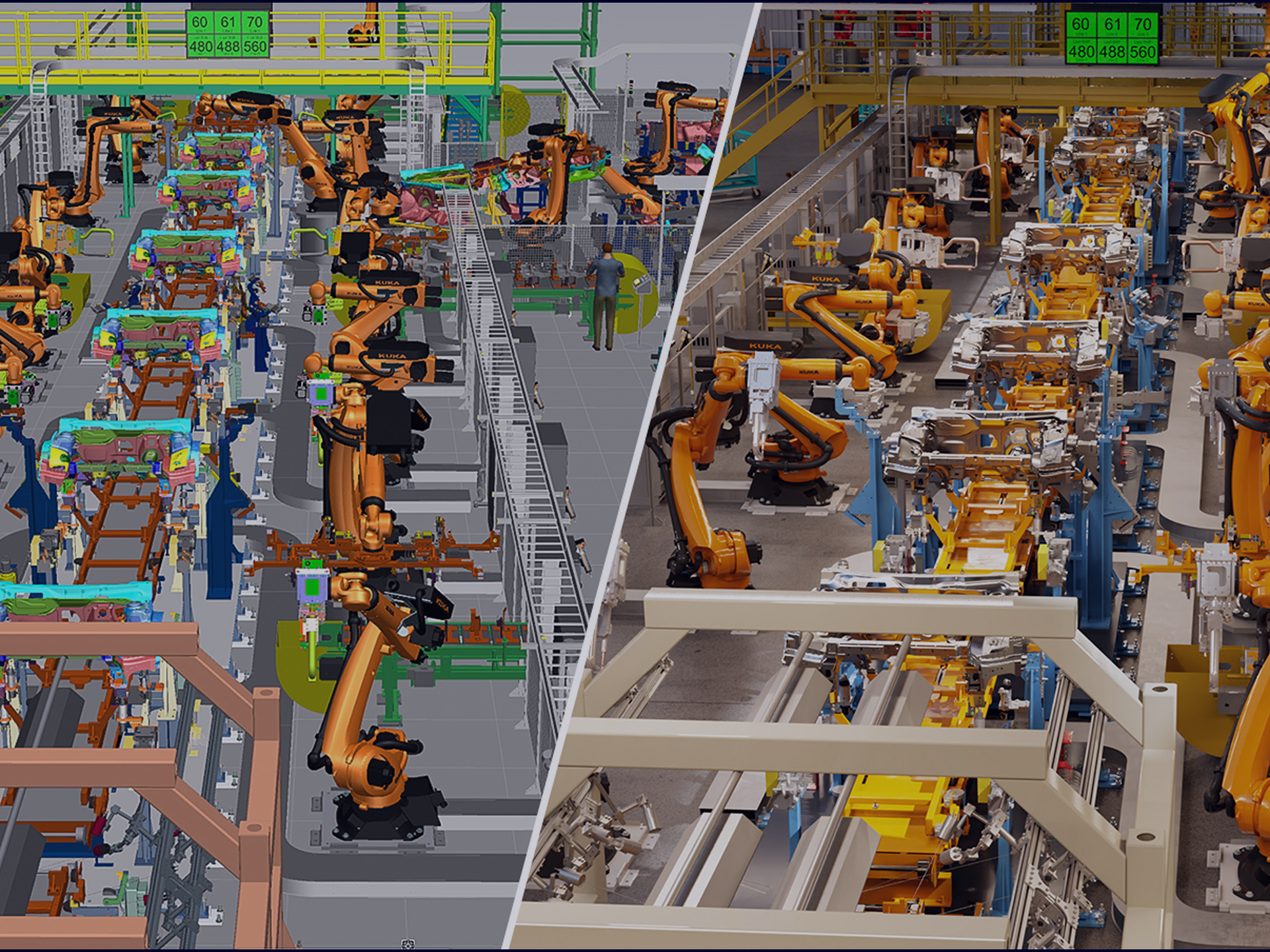
At the core of this transformation is the comprehensive digital twin, supported by digital threads that connect each stage of a product’s lifecycle, from design to manufacturing. Instead of fragmented systems, manufacturers can operate within a shared data environment that improves coordination across engineering, production, and supply chain teams.
However, technology alone does not deliver results. The value lies in how it is applied.
Making AI practical for industrial enterprises
Asia is one of the world’s largest manufacturing hubs, and AI is increasingly being embedded across design, operations, and logistics. The real challenge for most enterprises is applying it in ways that deliver measurable results.
For small and mid-sized manufacturers, or operators of brownfield facilities, transformation can feel complex. The most effective approach is to begin with focused use cases. Large language models, for example, are already being used to support documentation, knowledge capture, and operator assistance. These applications allow teams to build familiarity with AI while identifying where it can improve efficiency.
As organizations mature in their approach, AI can support more advanced workflows, from predictive maintenance to automated process optimization. A case study in Indonesia showed that structured automation workflows contributed to a 49 percent increase in labor productivity compared to less coordinated approaches.
AI delivers value when introduced with clear governance and alignment to operational goals. But for AI to scale reliably across operations, it must operate within a structured digital foundation.
The digital twin as the operational backbone
By creating a real-time virtual representation of machines, production lines, or entire facilities, manufacturers can test new processes before implementing them physically. Virtual commissioning allows teams to validate changes, assess performance impacts, and reduce operational risk.
For OEMs and factory operators facing volatile demand and supply conditions, this capability supports more informed decisions and shortens deployment cycles when introducing new automation technologies.
Importantly, digitalization does not require replacing all legacy systems. Collaborative robots, for example, can be integrated alongside existing equipment to improve productivity without major infrastructure changes. When supported by a digital twin, these deployments can be planned, simulated, and refined before going live.
As more machines and production systems become digitally connected, operations begin to shift from hardware-driven to software-defined.
From hardware-centric to software-defined operations
Industrial manufacturing contributes roughly one-fifth of national GDP in many Asian economies. At the same time, the sector faces pressure from skills shortages, sustainability requirements, and global competition.
Automation is increasingly moving from fixed hardware configurations toward software-defined functionality. Software-defined automation combines IT flexibility with operational reliability, allowing manufacturers to update and scale systems through software rather than physical retrofits.
For brownfield facilities, this shift is particularly important. Legacy machines can connect to modern analytics platforms and data services without complete replacement. Once connected, factories can establish digital threads that unify operations and support more advanced automation strategies.
The progression from AI experimentation to digital twin deployment to software-defined operations.
Why this matters for Asia’s industrial future
Industrial machinery in Asia is entering a more digitally mature phase, but success will not come from adopting AI or automation in isolation. It will depend on whether organizations build structured digital foundations that connect data, processes, and people across the enterprise.
By integrating AI within a comprehensive digital twin environment and supporting it with software-defined operations, manufacturers can move beyond fragmented systems and operate with greater visibility, agility, and resilience.
The objective is not automation alone. It is the ability to adapt confidently as market conditions shift, while maintaining productivity, sustainability, and long-term competitiveness in an increasingly digital industrial landscape.

Alex Teo is Vice President & Managing Director of Southeast Asia, Siemens Digital Industries Software.
TNGlobal INSIDER publishes contributions relevant to entrepreneurship and innovation. You may submit your own original or published contributions subject to editorial discretion.
The rise of AI and why governments globally are stepping in to support Gen Z in the job market