

PepsiCo has signed letters of intent with five startups from its 2026 Greenhouse Program APAC, opening discussions on potential commercial deployment of technologies covering logistics, agriculture and packaging recovery.
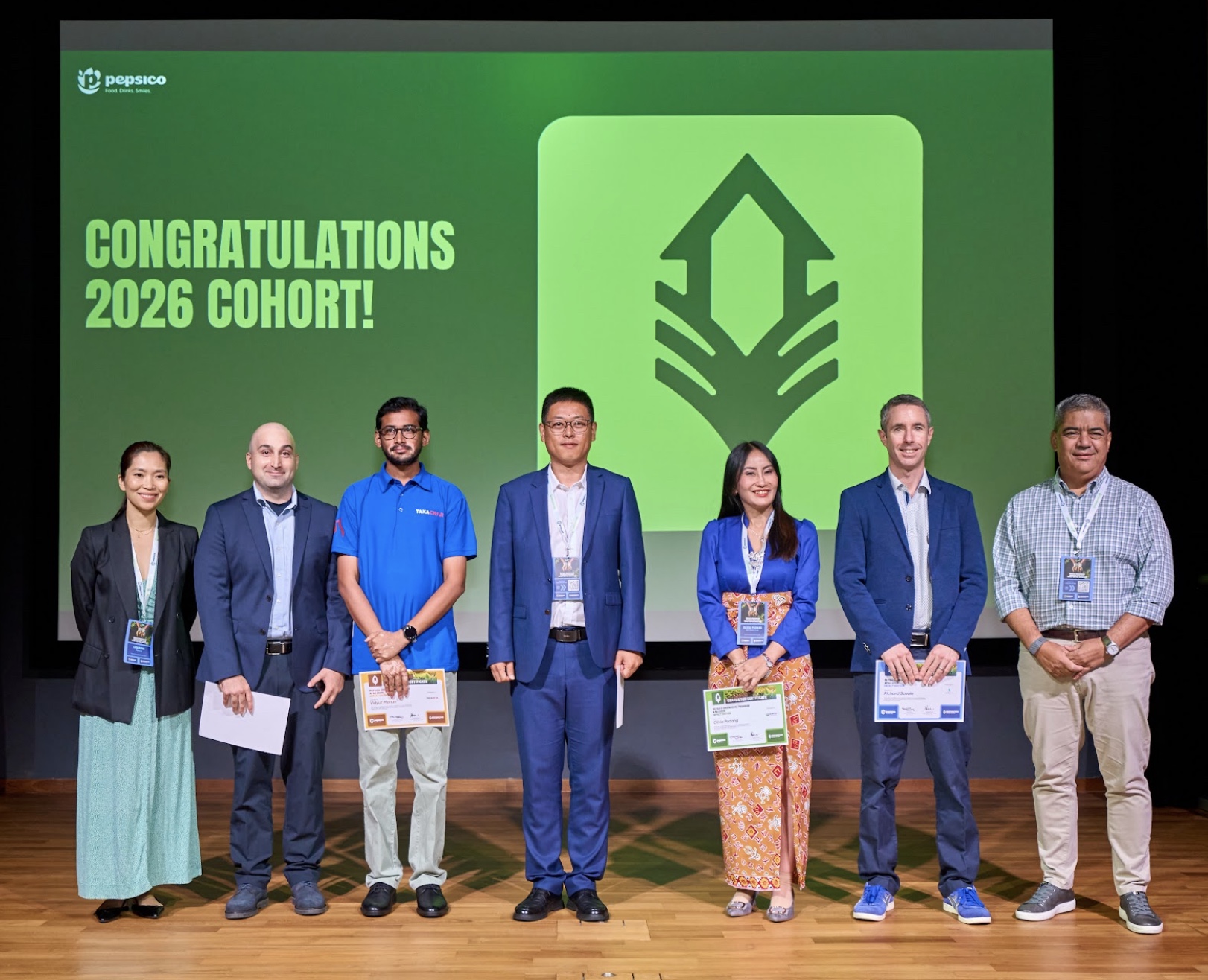
The agreements follow a seven-month program involving Adiona, Bali Waste Cycle, Beijing AIForce Tech, Takachar and X-Centric Sciences. PepsiCo said future deployments remain subject to additional evaluation, approvals and commercial agreements. The letters of intent are not commitments to purchase or roll out the technologies.
Australia’s Adiona and PepsiCo will explore logistics optimization in China, including network planning and carrier procurement. A company simulation using PepsiCo Greater China dispatch data indicated possible reductions of up to 12.1 percent in driver duty hours and 2.3 percent in modeled distance and emissions. Those figures represent modeled outcomes, not realized savings.
Beijing AIForce Tech, which already supplies a 140-horsepower electric tractor to PepsiCo China under a five-year lease, is testing a larger 180-horsepower model. The companies will evaluate further agricultural technology work in China, including the potential lease of a 200-horsepower model from 2027.
In Indonesia, Bali Waste Cycle will explore expanded recovery of flexible packaging and additional uses for recycled material. Thailand-based Takachar will continue discussions on using portable equipment that converts agricultural residues into biochar. X-Centric Sciences and PepsiCo will evaluate precision soil intelligence applications in Australia following field trials.
PepsiCo said its APAC Greenhouse Program has worked with 30 startups and supported 22 pilots since 2023. The 2026 edition focused on assessing operational, commercial and technical requirements for moving previously tested technologies closer to deployment.
PepsiCo’s Ashley Brown on scaling sustainability innovation across APAC [Q&A]