

Microsoft announced a plan to invest more than $1 billion in cloud and artificial intelligence (AI) infrastructure in Thailand between 2026 and 2028, the American tech giant said in a release on Tuesday, following a meeting in Bangkok between Vice Chair and President Brad Smith and Prime Minister Anutin Charnvirakul.
The investment is part of Microsoft’s “Advancing National Growth, Prosperity, and Global Competitiveness with AI” initiative. The program supports trusted and inclusive access to cloud and AI technology while helping skill millions of Thai citizens across every sector of the economy. The announcement builds on an ongoing partnership between Microsoft and the Thai government that began in 2023. It includes continued collaboration on digital infrastructure, regulatory frameworks, and workforce training.
Prime Minister Anutin said Thailand is working to position itself as a regional force in Asia’s digital and AI economy, with a focus on long-term infrastructure and workforce readiness. He described Microsoft’s investment as a contribution to those national goals.
Brad Smith emphasized that cloud computing and AI are increasingly central to economic growth. “There is a noticeable gap in AI diffusion between the world’s most advanced economies and the developing world,” the executive added.
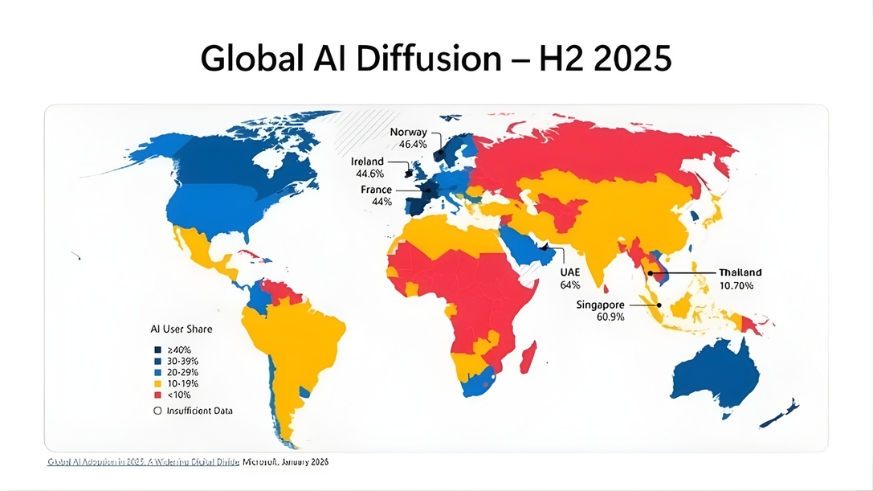
Source: Microsoft
A significant portion of the investment will go toward developing cloud and AI data center infrastructure in Thailand. Microsoft also confirmed partnerships with several Thai companies, including Gulf Development Public Company Limited, Advanced Info Service, Charoen Pokphand Group, True Corporation, and True Internet Data Center, to support the development and operation of the infrastructure.
On workforce development, Microsoft said it has helped more than 2 million people in Thailand acquire AI-related skills over the past two years. The company plans to expand training programs in partnership with government agencies, including the Ministry of Education and the Ministry of Labour, with a goal of certifying 150,000 workers through online courses and national training platforms.