

Translation is no longer an app people open. It is becoming a layer inside the conversation.
Not long ago, translation was a detour. You copied a message, opened another app, pasted it in and carried the answer back. It worked, but it interrupted the conversation.
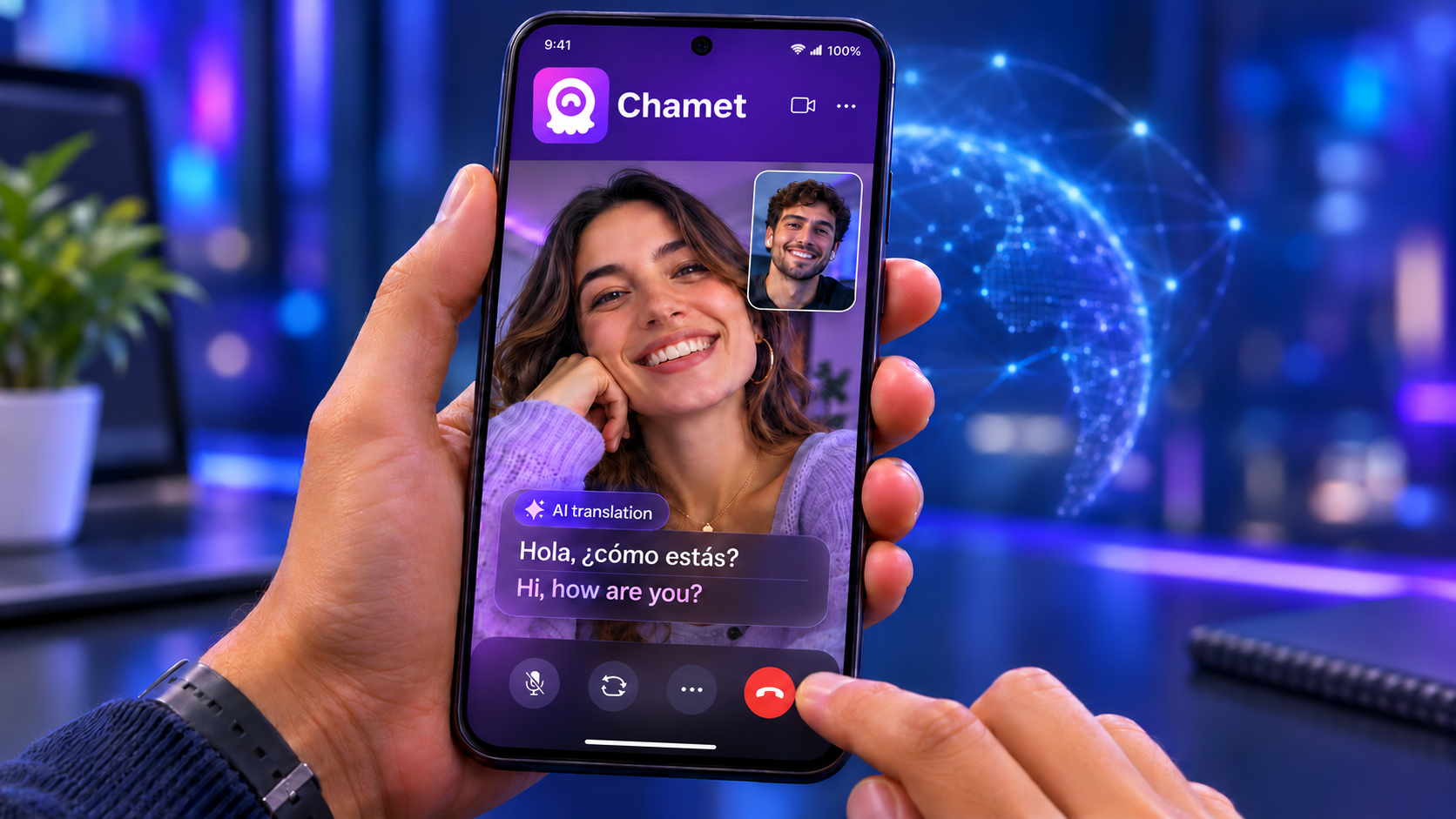
That detour is coming to a close. AI translation now sits where people already talk: chat threads, short videos, livestreams and video calls. Instead of switching between apps, users can increasingly read, hear, or watch content in another language without leaving the experience.
The shift is more than a convenience. As digital interactions become increasingly cross-border, language is becoming a more visible barrier to connection, commerce and collaboration. The next phase of digital communication will not just be about connecting people. It will be about helping them understand one another.
A region increasingly connected across borders
Southeast Asia offers a clear example of why this matters. According to the e-Conomy SEA 2026 report by Google, Temasek and Bain & Company, the region’s digital economy is projected to reach US$368 billion in gross merchandise value (GMV) in 2026, growing 17 percent year on year.
Video is also becoming a more established route to online shopping. Sea Limited reported that livestreaming and short-form video orders on Shopee grew by more than 45 percent year on year in the third quarter of 2026. As consumers discover products and interact with sellers through video, language can become a barrier to cross-border engagement.
AI-powered translation can help close that gap. By bringing language support directly into digital platforms, it can make interactions more immediate and accessible, whether someone is shopping, collaborating or simply having a conversation.
The trust challenge behind translation
However, making communication easier also brings new responsibilities. Translation tools need to preserve meaning, tone and context, while users should understand when AI is involved and how their data is being used.
There is also a wider safety consideration. The UN Office on Drugs and Crime has warned that AI is helping criminal groups scale multilingual social engineering and phishing operations. Generative AI can produce persuasive messages in different languages and support simultaneous conversations with victims. As these capabilities evolve, awkward phrasing and poor translation become less reliable warning signs. Language alone may no longer be enough to judge whether a message or sender can be trusted.
This does not make AI translation inherently risky. It does mean platforms need to consider the wider context of translated conversations, giving users clarity about AI-generated or translated content and access to safety tools when something feels wrong. Accuracy, privacy, and user control all matter to building confidence.
How the big platforms are responding
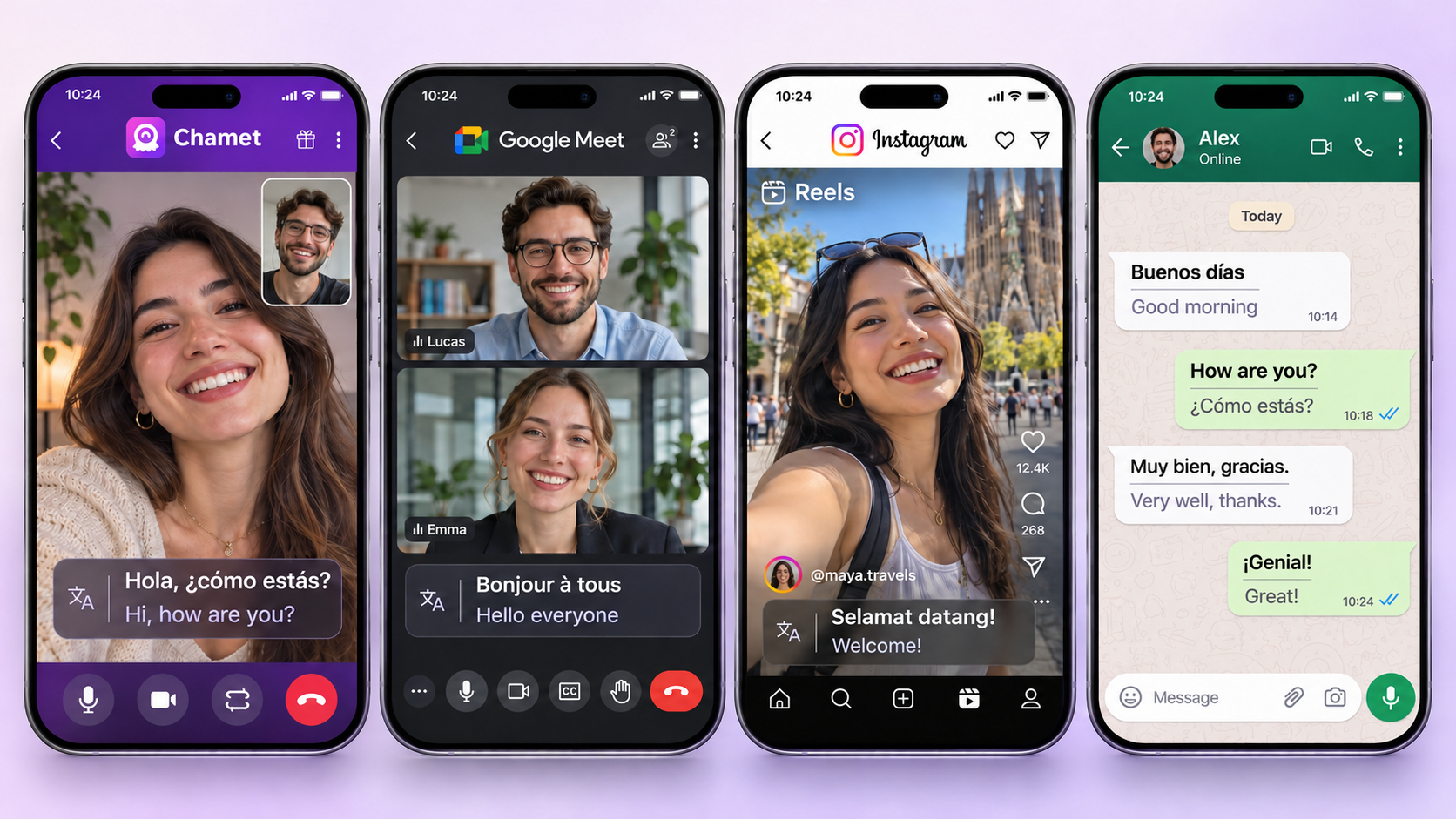
Technology companies are bringing translation into different parts of the digital experience.
- Google, for example, is expanding live speech translation in Google Meet to 63 languages through Gemini 3.5 Live Translate. The feature can detect the language being spoken and translate it into each participant’s preferred language in near real time, with synchronised captions.
- Meta is using AI to translate, dub and lip-sync Instagram Reels, helping creators reach audiences who speak different languages. WhatsApp has also introduced message translation within individual and group chats, with translations processed on users’ devices.
For video-first social platforms, these developments are particularly relevant because communication happens in real time. Users are not simply reading translated text. They are interacting with another person, often in a live conversation where context and trust matter.
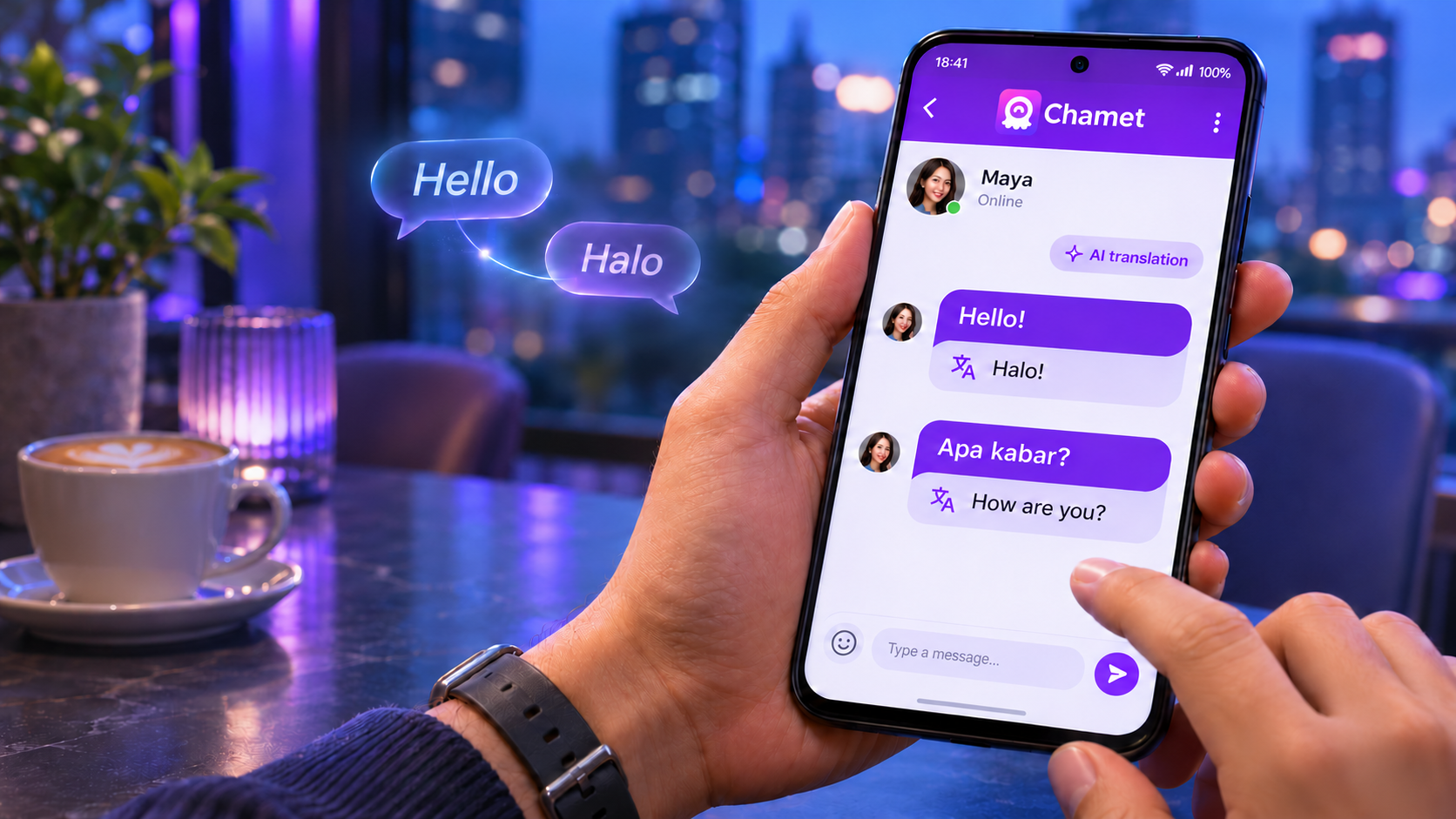
Chamet, a video-first social platform, is one of the services bringing translation into that experience. Its real-time AI translated subtitles support more than 50 languages, allowing users to follow conversations without switching to a separate translation tool.
“We see that translation changes what people expect from a conversation with someone on the other side of the world. People expect to be understood, and they expect the platform to take their safety seriously,” said David Qi, Chief Marketing Officer of Chamet. “We see translation and safety as two parts of the same job.”
That means language accessibility cannot be considered in isolation from the wider user experience. Chamet combines multimodal AI moderation and suspected-minor detection with human review. It also offers real-person face verification, in-app reporting and blocking tools, as well as an appeals process.
Chamet sees four principles for any platform that puts translation into a conversation:
- Know who is on the call. Verify people, not just accounts.
- Keep humans in the loop. AI flags. People decide.
- Say what is machine-made. Label translated content.
- Give users an exit. Make report, block and appeal easy to find.
These measures do not remove every risk, but they help ensure that making communication easier does not come at the expense of user confidence.
The layer people stop noticing
As AI translation evolves from a standalone utility into an integrated part of real-time communication, platforms are competing to come up with the best version. The bigger challenge will be earning users’ confidence along the way. The platforms that will sustain are the ones that not only help people communicate and understand better, but also maintain users’ trust and safety.
Share your perspective: TNGlobal welcomes contributed insights and expert commentary from across Asia’s technology and innovation ecosystem. Submit a contribution for editorial consideration, or explore more perspectives in TNGlobal INSIDER and conversations in the TNGlobal Q&A and Interviews archive.